Compare Local Contractors for Residential Demolition Services
Compare local contractors for residential demolition to define scope, verify experience, and set clear expectations, ensuring a smooth and successful project.
Residential demolition services typically encompass the controlled dismantling and removal of structures such as homes, garages, sheds, or additions. These projects often involve tearing down existing buildings to clear the site for new construction or renovations. The scope of work can vary widely, from partial demolitions that focus on specific sections of a property to complete teardown of an entire residence. Understanding what a demolition project includes helps property owners communicate clearly with contractors and ensures that all necessary tasks are accounted for, preventing misunderstandings or overlooked details.
Defining the scope of a residential demolition is a critical step in planning the project. A well-outlined scope clarifies the extent of work, including which structures are to be removed, the methods to be used, and any site preparation or cleanup required afterward. Having these details in writing provides a clear reference for both property owners and contractors, reducing the risk of disputes or unexpected costs. It also helps in assessing whether a contractor’s experience aligns with the specific demands of the project, ensuring that the work is handled efficiently and safely.
When comparing local contractors for residential demolition, property owners should consider several practical factors. Verifying a contractor’s experience with similar projects can offer insight into their capability to handle the scope at hand. Reviewing credentials, references, and project portfolios can further inform decisions. It’s also important to gather detailed written proposals that specify the scope, methods, and responsibilities involved, allowing for an apples-to-apples comparison. By focusing on these aspects, property owners can make more informed choices and select service providers who are best suited to meet the needs of their demolition project.
Compare local contractors by outlining project priorities, verifying experience, and clearly defining scope and expectations in writing.
- Compare Contractor Experience - Review the backgrounds and project history of local contractors to ensure they have relevant demolition expertise.
- Define Project Scope Clearly - Outline the specific demolition tasks and expectations to facilitate accurate proposals and avoid misunderstandings.
- Verify Credentials and References - Check references and verify experience to confirm the reliability and capability of service providers.
- Document Work Details in Writing - Ensure all project details, scope, and agreements are documented to set clear expectations.
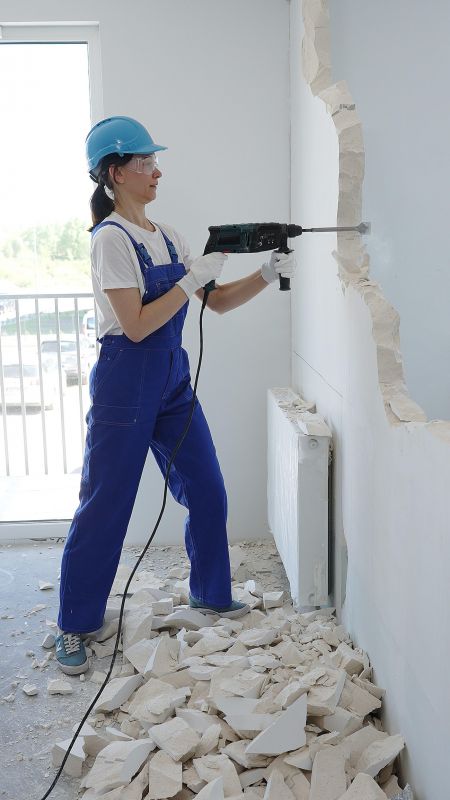
Clearly describe your residential demolition project to help compare local contractors, verify experience, and set clear expectations in writing.
- Verify experience and references for residential demolition projects to ensure familiarity with similar structures and scope. - Ensuring contractors have relevant experience helps in assessing their capability to handle the job safely and effectively.
- Define the scope of work clearly in writing, including which structures, materials, and areas are to be demolished. - Clear scope documentation helps prevent misunderstandings and sets proper expectations for the project.
- Check that local contractors are familiar with necessary permits and regulations for residential demolition in the area. - Compliance with local rules can prevent delays and legal issues during or after demolition.
- Discuss site preparation requirements and any potential challenges that may impact the demolition process. - Understanding site conditions helps contractors plan appropriately and avoid surprises during work.
- Confirm that service providers have appropriate insurance coverage to protect against potential damages or accidents. - Adequate insurance coverage is important for risk management and liability protection.
- Request a detailed written plan outlining the demolition process, safety measures, and cleanup procedures. - A comprehensive plan ensures all parties agree on the process and standards for a smooth project execution.
Use this to compare local contractors, clarify project scope, verify experience, and set clear expectations in writing.
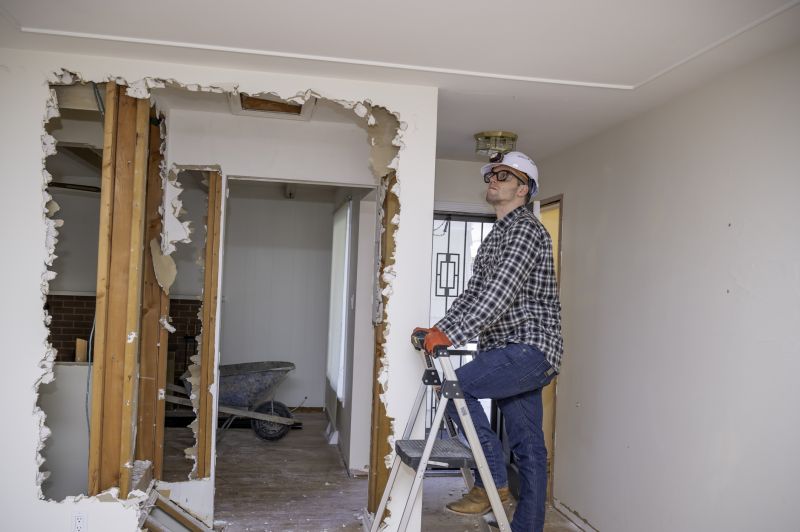
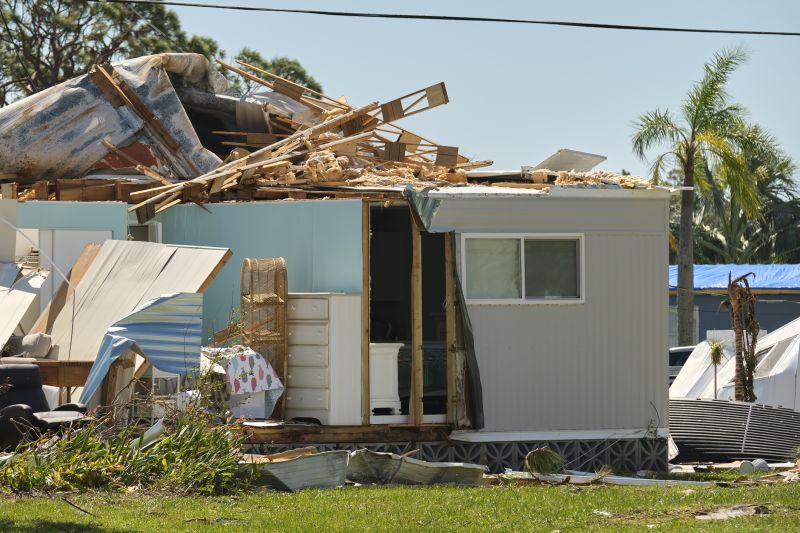
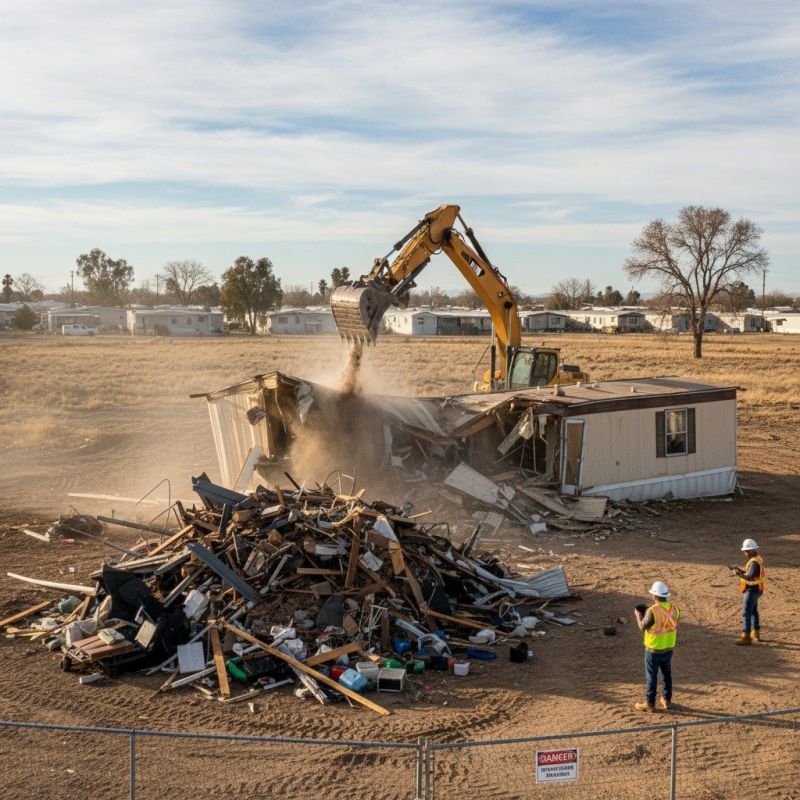
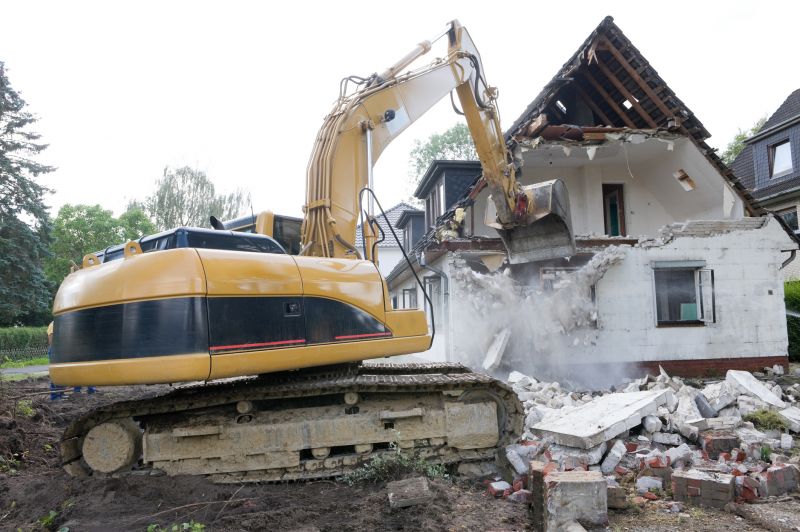
To compare residential demolition contractors effectively, focus on defining scope, verifying experience, and documenting expectations clearly.
- Scope Definition - Clearly specify the extent of demolition work required, including structures and materials to be removed.
- Site Conditions - Assess and document existing site conditions to identify potential hazards and access considerations.
- Experience Verification - Confirm that service providers have relevant experience with residential demolition projects of similar scope.
- Permitting Requirements - Determine necessary permits and ensure contractors understand local regulations and compliance standards.
- Work Expectations - Establish detailed written agreements outlining the scope, methods, and responsibilities involved in the demolition process.
When selecting a contractor for residential demolition, it is important to evaluate their experience with similar projects. Homeowners should inquire about the types of structures they have previously demolished and the complexity of those projects. A contractor with a proven track record in residential settings can demonstrate familiarity with common challenges, local regulations, and best practices, helping to ensure the work is completed efficiently and safely.
A clear, written scope of work is essential for setting expectations and avoiding misunderstandings. Service providers should be willing to provide detailed descriptions of the demolition process, including the extent of work, materials involved, and any preparatory or cleanup tasks. Having this information in writing allows homeowners to review and compare what each contractor plans to deliver, ensuring that all parties share a mutual understanding of the project's scope.
Verification basics involve confirming that a contractor has the appropriate experience and a history of successful projects. Homeowners can ask for references or examples of completed demolitions similar to their own. Additionally, verifying that the contractor adheres to local codes and safety standards-through questions about their procedures and past project compliance-can help establish credibility and reliability without relying solely on formal licensing or certifications.
When comparing options, it is helpful to focus on how each contractor defines their scope and demonstrates experience. Homeowners should review written proposals carefully, ensuring they include detailed descriptions of the work to be performed and the contractor’s relevant background. Asking service providers about their approach to project planning and problem-solving can also provide insight into their professionalism and readiness. This approach supports making an informed choice based on experience, clarity, and the ability to meet project expectations.
Ask contractors to provide written scope details to ensure clear, consistent understanding of the demolition project.
- Experience and Expertise - What specific experience do local contractors have with residential demolition projects similar to the scope of your job?
- Scope of Work - How do service providers define and document the scope of demolition work to ensure all aspects are covered?
- Permits and Regulations - What processes do local contractors follow to verify compliance with relevant permits and local building codes?
- Project Management - How do service providers communicate and clarify project expectations, including responsibilities and deliverables?
- Insurance and Liability - What insurance coverage do local contractors have to protect against potential damages or accidents during demolition?
What should I consider when comparing residential demolition contractors? It's important to evaluate their experience, reputation, and scope of services to ensure they meet the specific needs of the project.
How can I define the scope of my demolition project? Clearly outline the areas to be demolished, any structural considerations, and desired outcomes to communicate expectations effectively.
What questions should I ask a contractor about their experience? Inquire about previous projects similar to yours, their familiarity with local building codes, and any challenges they've encountered.
Why is it important to have written agreements with demolition service providers? Written agreements help set clear expectations, specify the scope of work, and provide a record of the agreed-upon details.
How can I verify a contractor's reliability and professionalism? Check references, review past work, and verify their reputation through local directories or industry associations.
What should I include in my communication with potential demolition contractors? Provide detailed project descriptions, desired outcomes, and any specific requirements to ensure mutual understanding.
This page has outlined key steps to help compare residential demolition contractors effectively. Visitors learned how to define the scope of work, verify the experience of service providers, and set clear expectations through written agreements. These practices can help in making informed decisions when selecting a contractor for demolition projects.
To explore options and find the right contractor for the job, consider using the quote form to connect with local service providers. Comparing different local contractors can provide valuable insights and help identify the best match for specific project needs.